Call us on
+234 806 888 2177

+234 806 888 2177
17 Jun
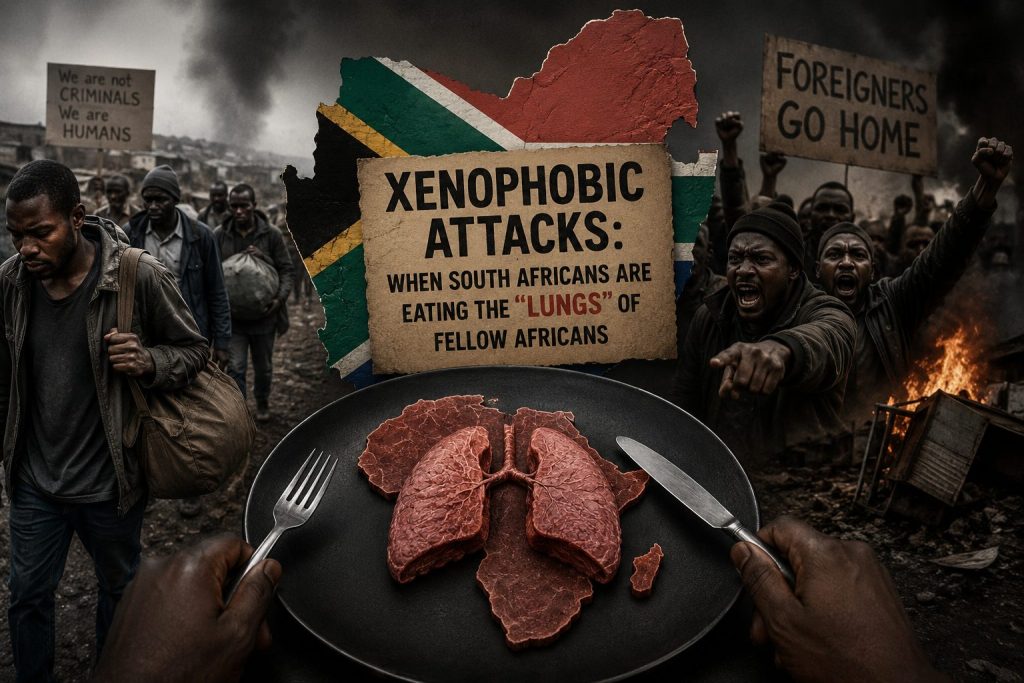
Across Africa, dreams of unity and shared identity are often celebrated. Yet, recurring xenophobic attacks in South Africa expose a painful contradiction—one where fellow Africans become targets of violence, exclusion, and hostility. This piece examines the roots, realities, and consequences of a crisis that continues to undermine the African ideal.
READ MORE12 Jun
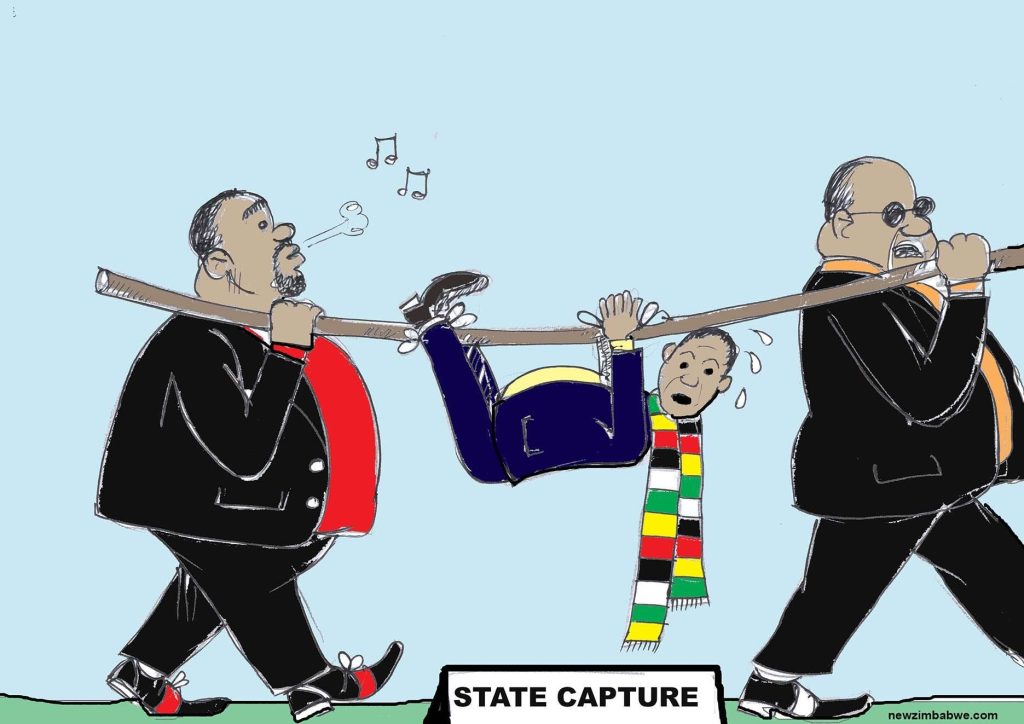
Nigeria’s democratic institutions are increasingly facing questions about their independence, credibility, and ability to serve the public interest. As political loyalty, patronage networks, and elite influence reshape governance, the risk of state capture becomes more pronounced. This article explores how institutional compromise threatens accountability, public trust, and democratic development—and what must be done to reverse the trend.
READ MORE12 Jun
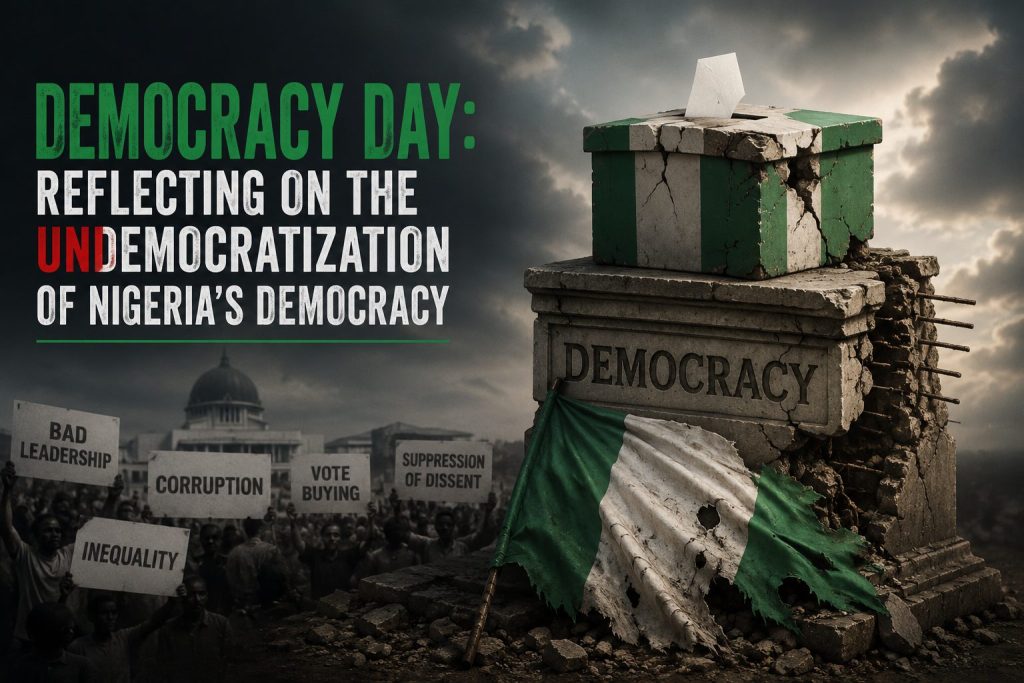
As Nigeria marks Democracy Day, the occasion invites more than celebration—it demands reflection. Decades after the restoration of civilian rule, concerns about weakened institutions, electoral integrity, accountability, and citizen participation continue to shape public discourse. This article examines the growing paradox of Nigeria's democratic journey: a nation governed through democratic structures, yet increasingly challenged by practices that many argue undermine the very principles democracy is meant to uphold. Through a critical lens, it explores the signs, causes, and implications of the gradual undemocratization of Nigeria's democracy.
READ MORE11 Jun
Nigeria’s democratic institutions are increasingly facing questions about their independence, credibility, and ability to serve the public interest. As political loyalty, patronage networks, and elite influence reshape governance, the risk of state capture becomes more pronounced. This article explores how institutional compromise threatens accountability, public trust, and democratic development—and what must be done to reverse the trend.
READ MORE11 Jun
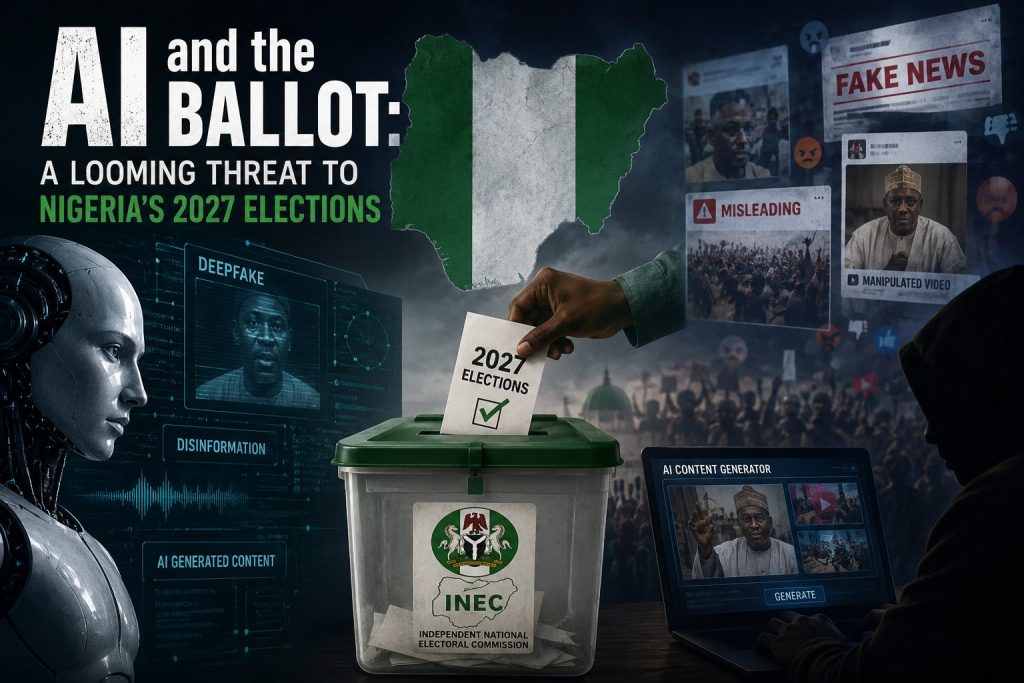
As Nigeria prepares for the 2027 elections, artificial intelligence is emerging as both an opportunity and a threat. From deepfakes and cloned voices to highly targeted disinformation campaigns, AI has the potential to reshape political narratives, influence voter behavior, and undermine trust in democratic institutions. Without proactive regulation, digital literacy, and robust safeguards, the battle for Nigeria's democracy may be fought as much in algorithms as at the ballot box.
READ MORE9 Mar
Nigeria’s democracy faces many challenges, but one powerful tool can guide its growth: evidence-based nation-building. By grounding decisions in credible data and inclusive research, Nigeria can foster accountability, strengthen governance, and drive development that truly serves its people. This article explores why building a stronger democracy requires a deeper commitment to using evidence in shaping the nation’s future.
READ MORE17 Jul
At the APD in Ghana, RES shared insights on using research-policy engagement to drive inclusive growth in Nigeria’s agriculture and agro-processing sector.
READ MORE17 Jul
RES hosted the National Assembly’s Budget Directorate to discuss data and research-driven partnerships for enhancing evidence-based budget planning.
READ MORE12 Jun
Nigeria’s democracy faces many challenges, but one powerful tool can guide its growth: evidence-based nation-building. By grounding decisions in credible data and inclusive research, Nigeria can foster accountability, strengthen governance, and drive development that truly serves its people. This article explores why building a stronger democracy requires a deeper commitment to using evidence in shaping the nation’s future.
READ MOREStay connected with us by subscribing to our newsletter.